Atmosphère Primale
Typologie : Conception olfactive
Structure porteuse du projet : Passerelle Arts Sciences Technologies & Musée du Saut du Tarn
Concept et création : Edwige Armand
Création et coordination : Thierry Besche
Équipe de création et de réalisation : Edwige Armand, Thierry Besche, Émilie Bonnard, Hadrien Albouy, Manfred Armand, Sylvie Chambonnet, Fernand Deroussen, Yves Duthen, Frédérick Garcia, Yves Godderis, Elise Nardin, Pierre Bénard, Stella Obam
Matériaux : Molécules odorantes
Année : 2024
Photos et vidéos : Studio Baudequinmaldes
-
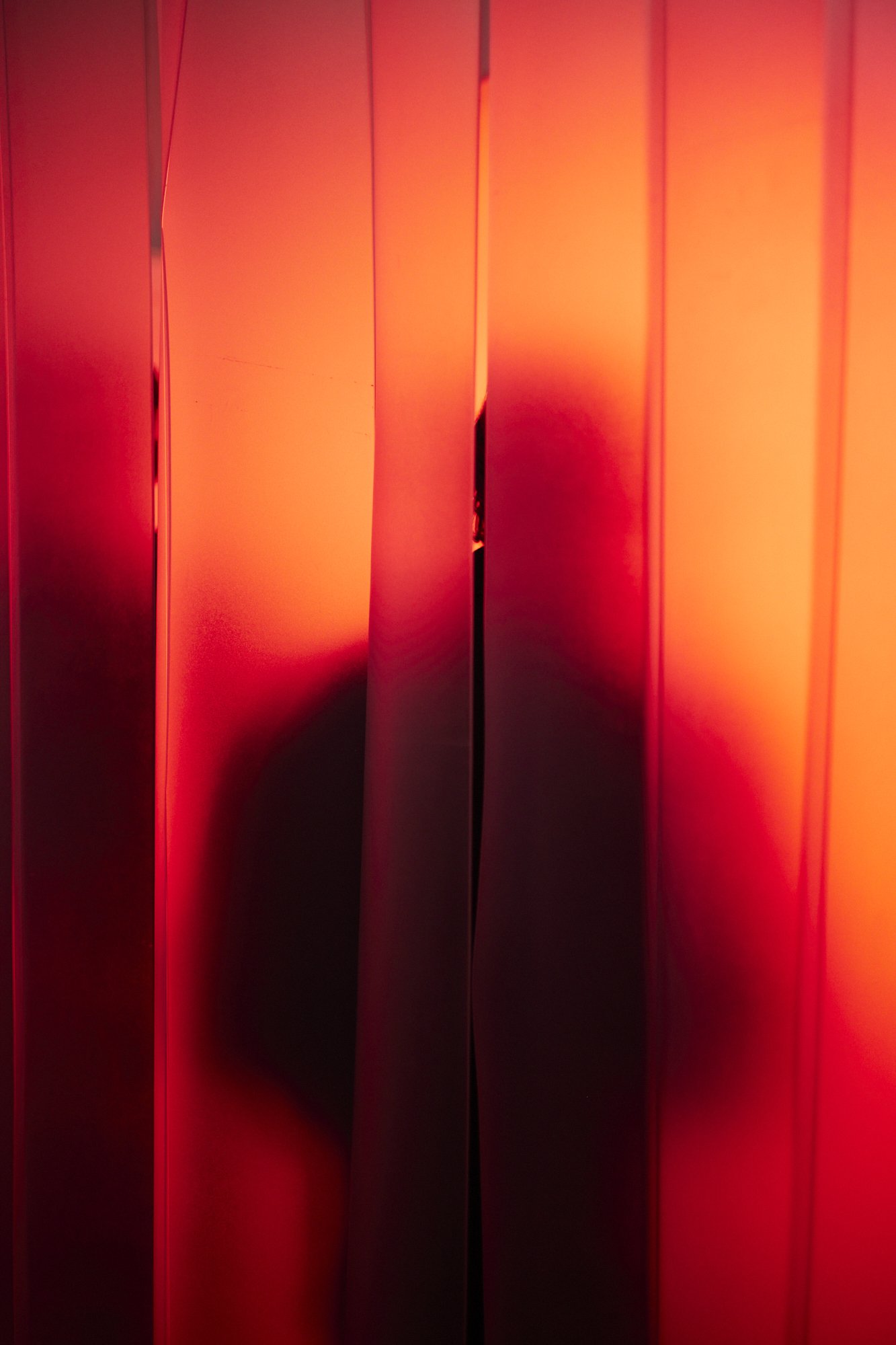
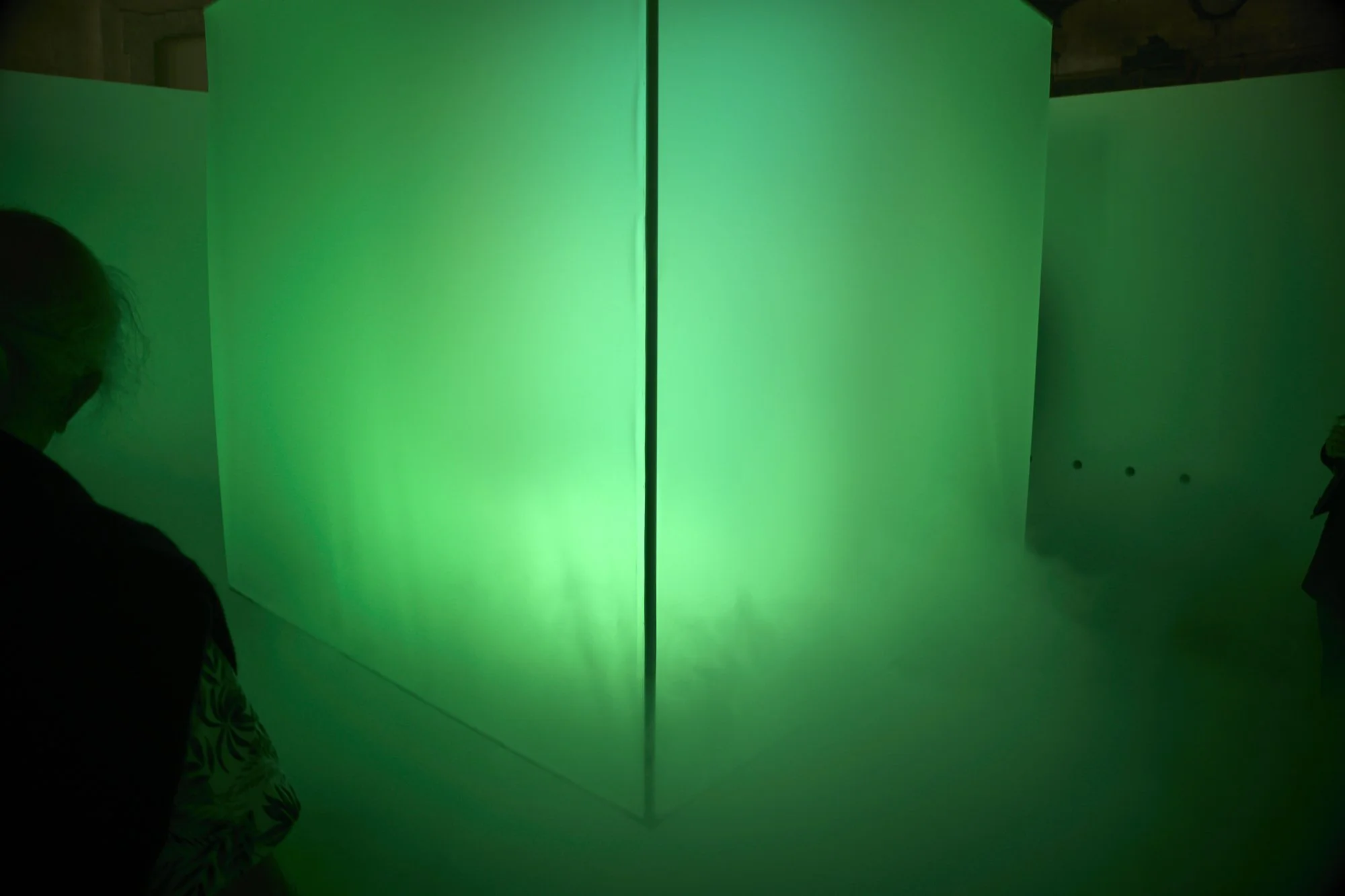
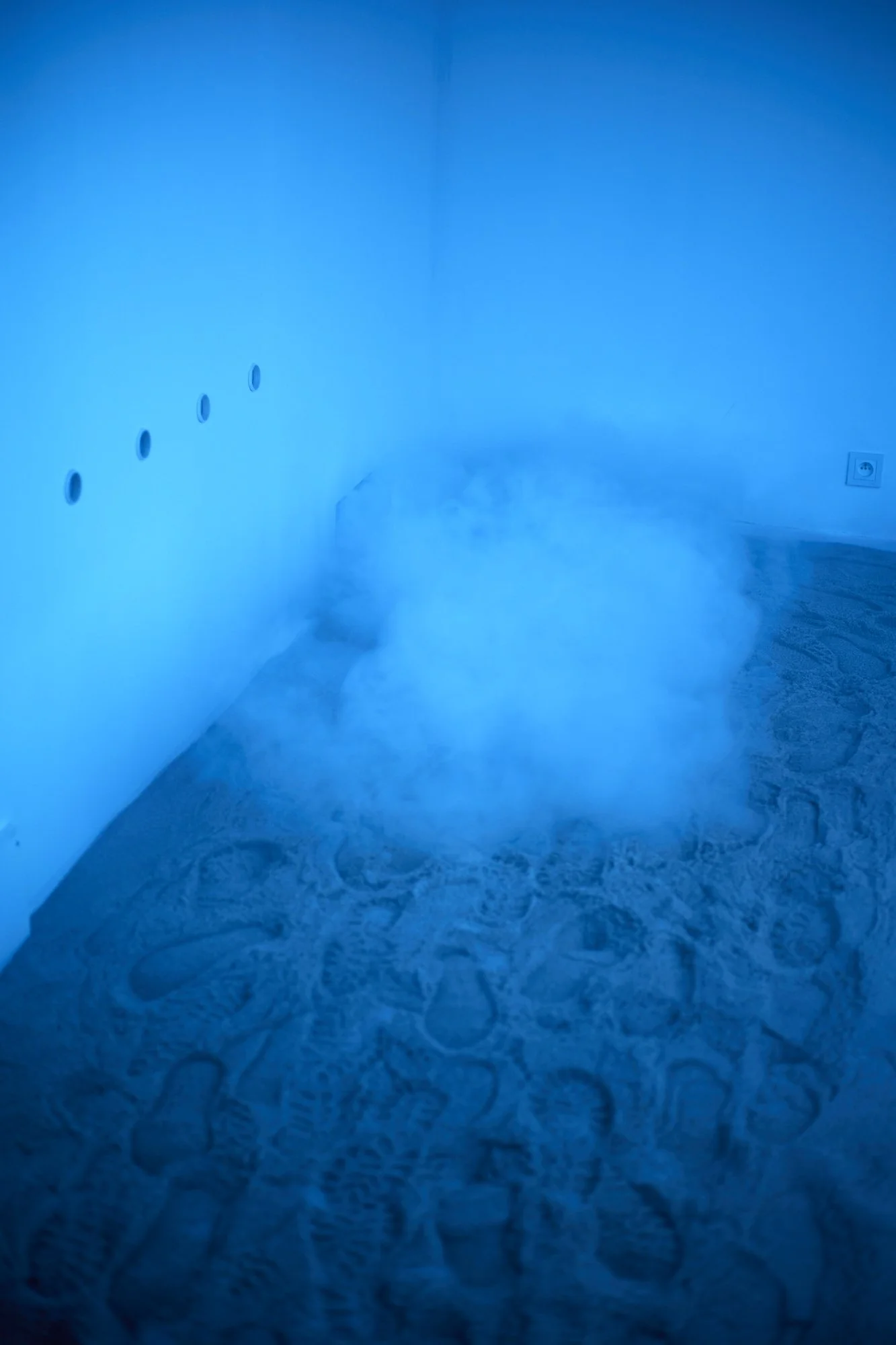
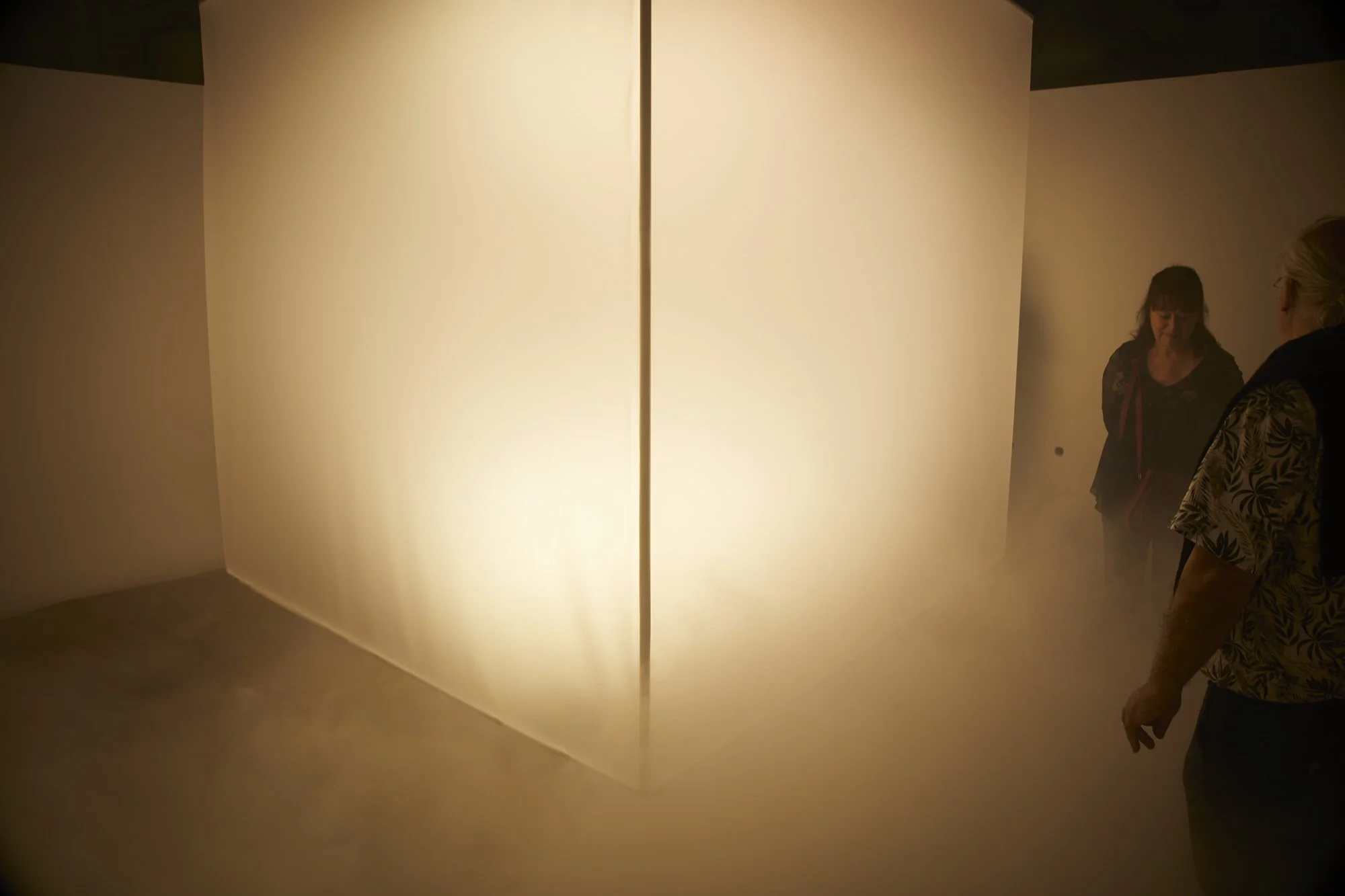
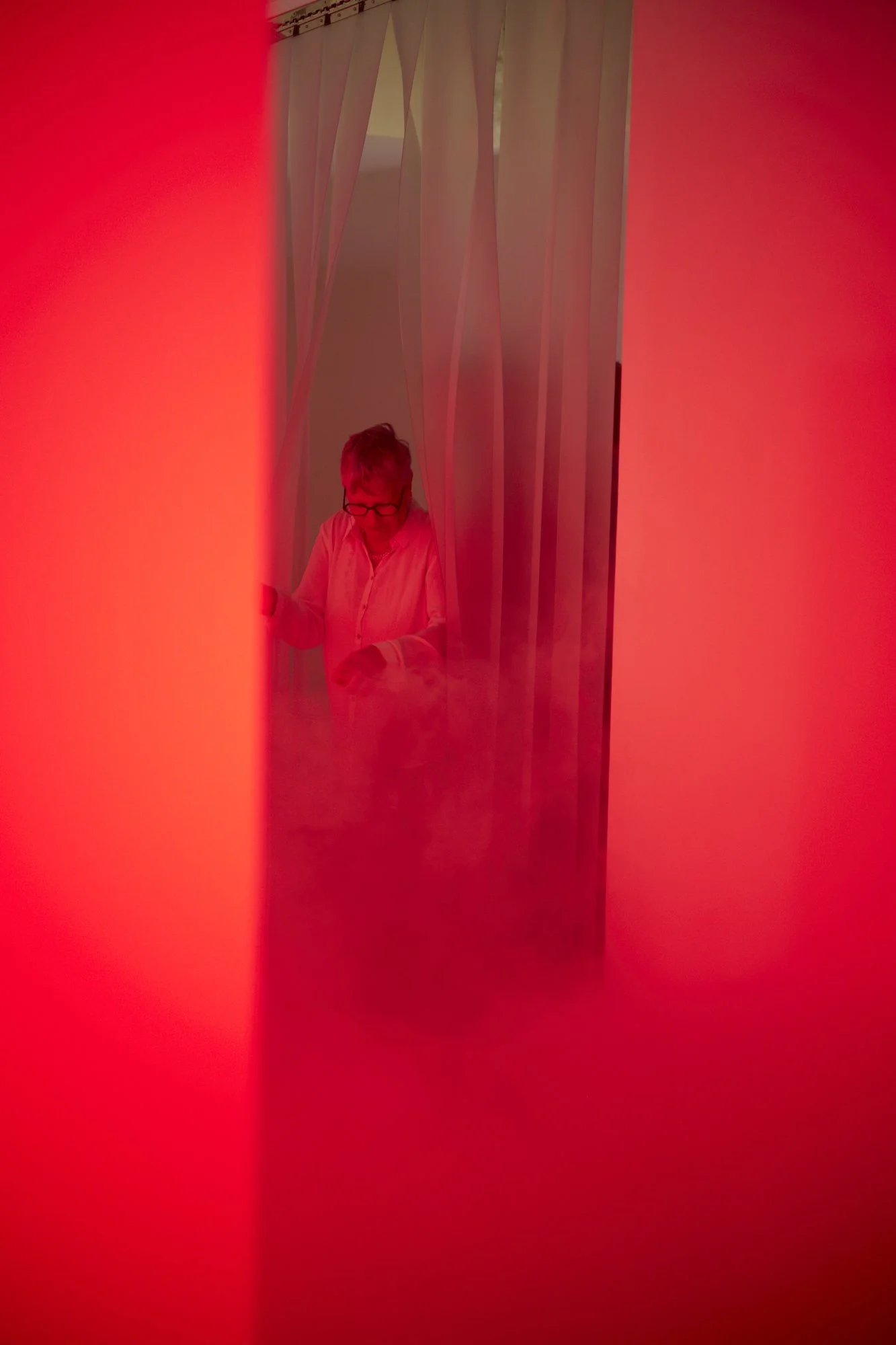
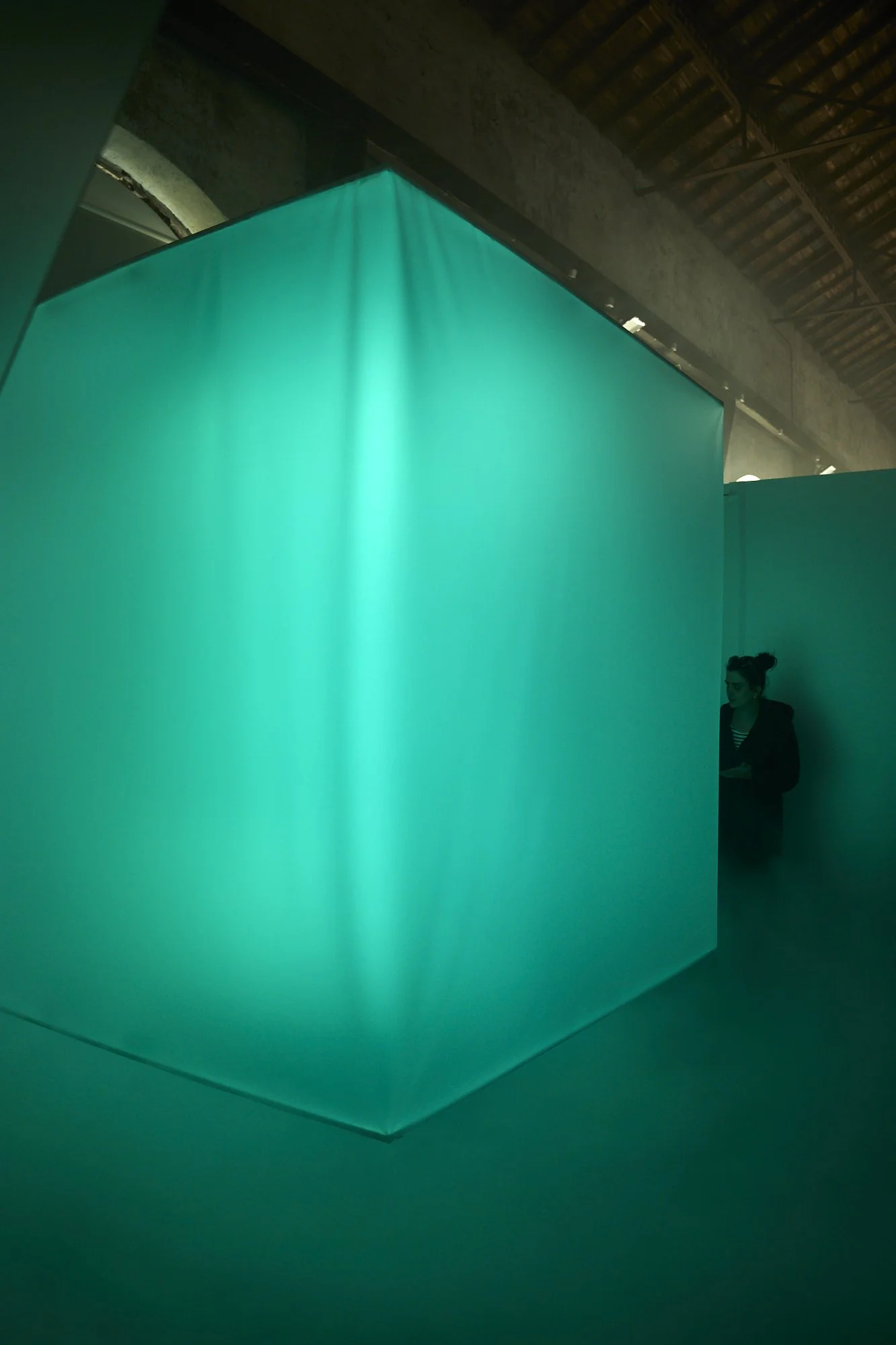
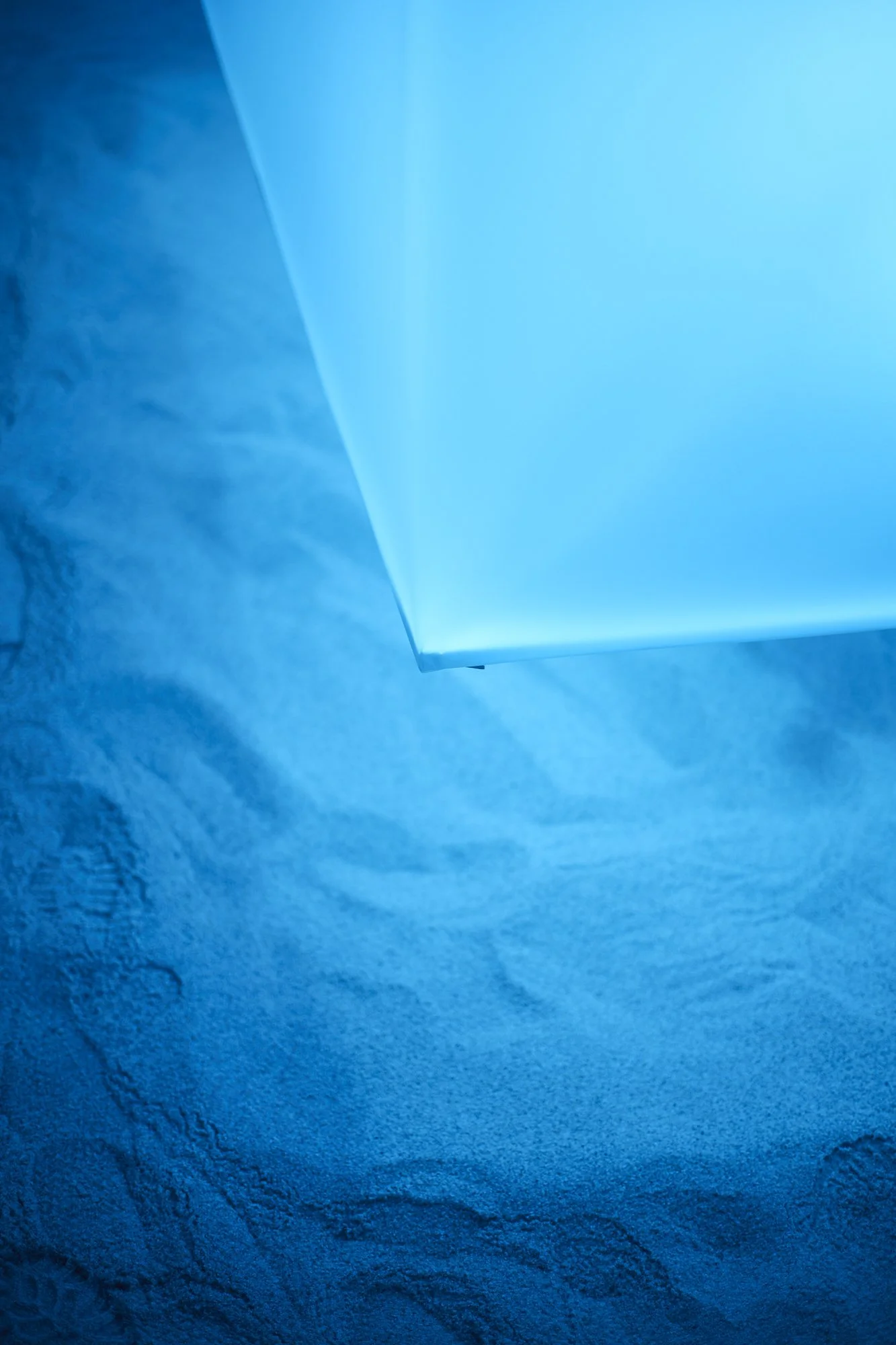
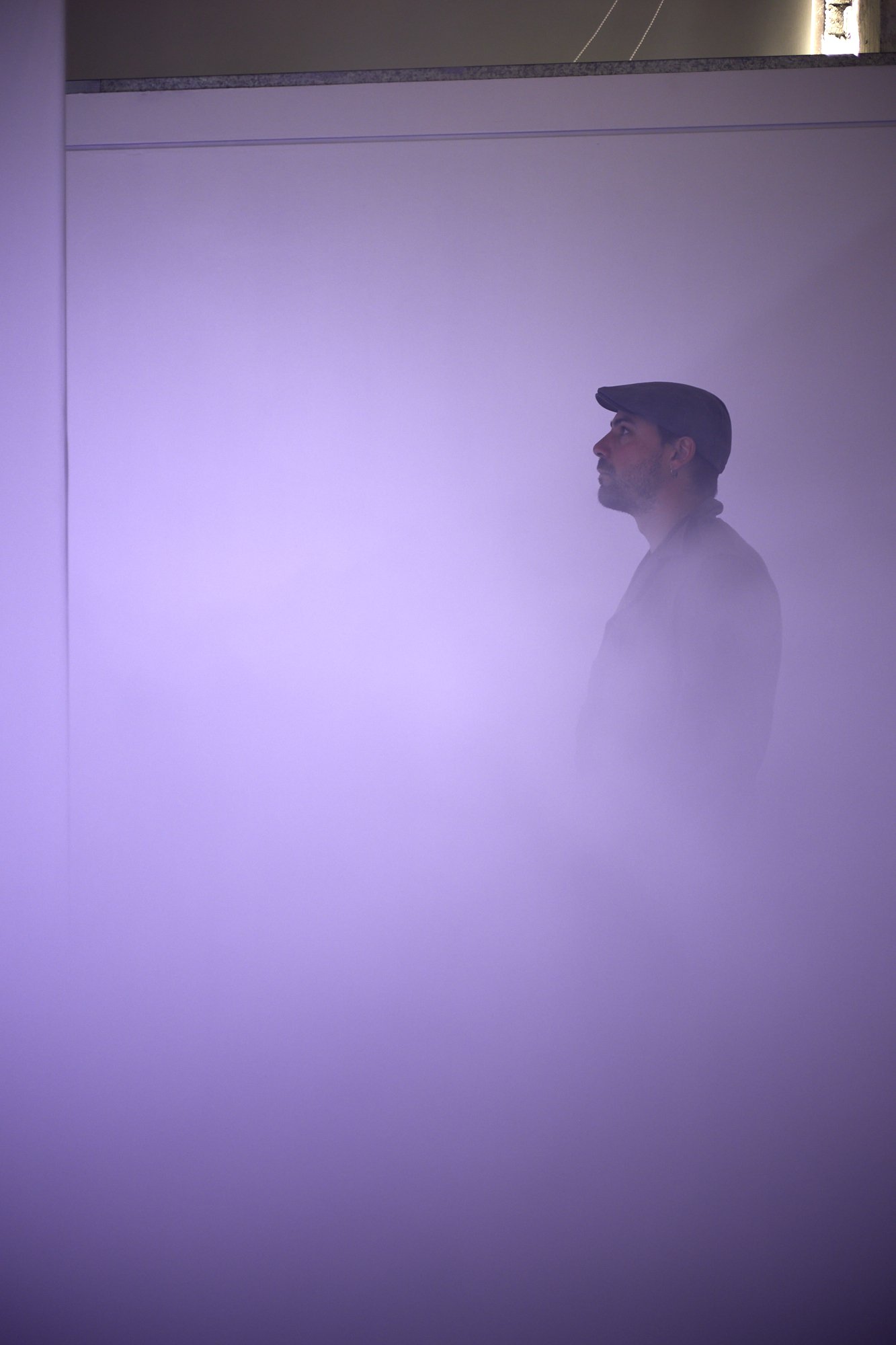
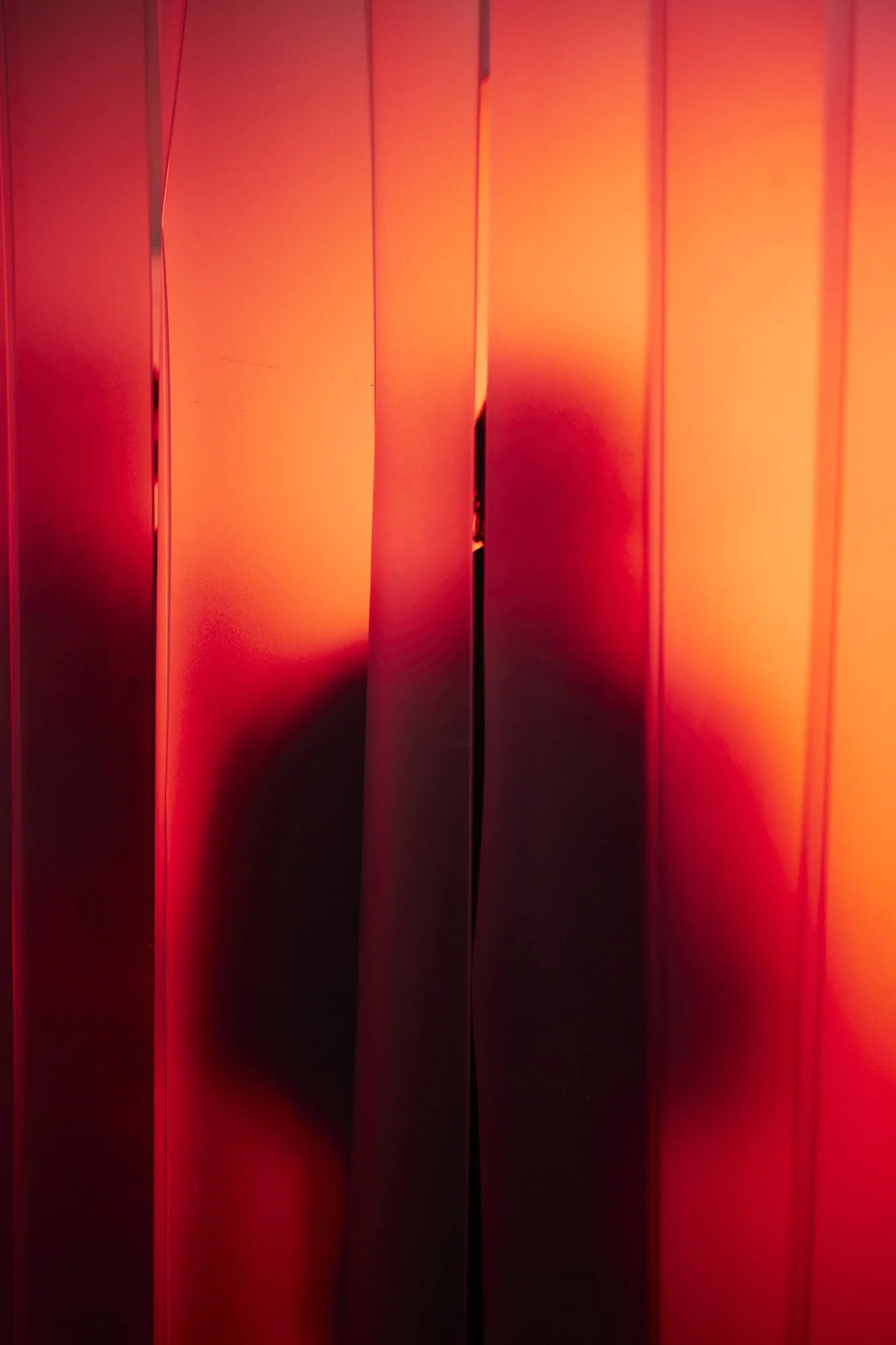
Atmosphère Primale est une installation plurisensorielle à la croisée des arts et des sciences. Elle retrace l’évolution des atmosphères terrestres, de la formation de la Terre à un futur proche, à travers un dispositif associant odeurs, lumières, sons et brume. Le visiteur est invité à traverser sept périodes décisives de l’histoire des atmosphères terrestres, au cours d’une immersion d’environ trente minutes.
Notre contribution au projet a porté sur la conception des expériences olfactives, afin de rendre perceptibles des atmosphères aujourd’hui disparues, dont certaines peuvent être reproduites chimiquement, mais sont irrespirables pour l’être humain. À partir des données scientifiques, nous avons formulé des hypothèses sur les effets corporels que ces atmosphères auraient pu produire, puis cherché à les traduire en sensations. Le travail s’appuie notamment sur la stimulation du nerf trijumeau pour susciter des perceptions de chaleur, de froid ou d’étouffement, engageant ainsi directement le corps du visiteur.
L’olfaction a été pensée comme un médium d’incarnation plutôt que de représentation. La conception olfactive s’est construite par itérations, entre expérimentations par macération, formulations en laboratoire avec le parfumeur et ajustements in situ des dispositifs de diffusion.
-
Atmosphère Primale is a multisensory installation at the intersection of art and science. It traces the evolution of Earth’s atmospheres, from the formation of the Earth to the near future, through a dispositif combining scents, light, sound, and mist. Visitors are invited to move through seven decisive periods in the history of Earth’s atmospheres, in an immersive experience lasting approximately thirty minutes.
Our contribution to the project focused on the design of the olfactory experiences, with the aim of making perceptible atmospheres that have since disappeared, some of which can be chemically reproduced but are unbreathable for humans. Drawing on scientific data, we formulated hypotheses about the bodily effects these atmospheres might have produced, and sought to translate them into sensory experiences. The work notably draws on stimulation of the trigeminal nerve to evoke sensations of heat, cold, or suffocation, thereby directly engaging the visitor’s body.
Olfaction was conceived as a medium of embodiment rather than representation. The olfactory design was developed iteratively, through maceration experiments, laboratory formulations with the perfumer, and in situ adjustments to the diffusion devices.